


Whether you’ve slurped a huckleberry milkshake at Smiley Creek Lodge, added a dollop of huckleberry jam to your pancakes at The Kneadery in Ketchum, ducked in a few blocks down the way for the Sawtooth Club’s Bald Mountain Bramble cocktail, or just filled your belly while plucking plump berries on a hike, huckleberries are without a doubt a staple of Idaho summers.
You can’t go into a shop, bakery, or restaurant, it seems, without each spot’s take on the coveted summer natural wonder. Huckleberries are so well-loved, in fact, that the tart treat was named the state fruit of Idaho in 2000, thanks to a group of Bonner County fourth graders who proposed that the Legislature make it official, designating the berries as an official emblem of Idaho.
On the Hunt
“Huckleberry picking is such an identifiable part of life in Idaho,” says Shana Witkin Write, an avid berry forager who lives in Coeur d’Alene with her family. “They are such a fun treat! It gives our family a destination to explore when there are so many different opportunities and places to choose from. That is what gets us out—being able to pick something from a wild plant that depends on the natural world is special.”
The Pacific Northwest is home to more than a dozen varieties of naturally occurring huckleberries. Foragers in the Gem State will find the mountain huckleberry, or Vaccinium membranaceum, which is also commonly known as the black huckleberry or thin-leaved huckleberry, among other monikers, on bushes growing at elevations between 2,000 and 11,000 feet and standing 1 to 6 feet tall. Come early summer, try to spot the bell-shaped flowers, signifying that berries are not too far behind. Then, depending on the summer’s heat and moisture, harvests of deep purple and red berries begin anywhere from late July through mid-August. South-facing slopes at lower elevation are the first to ripen, and some say they are sweeter; however, this is up for debate.
Witkin Write’s top tip for hopeful hunters is to pack a picnic and make a day of it. But the berries are the number one nutrition source for bears in the summer, so come with bear spray, make noise, and plan to forage with friends. “It doesn’t have to be a big, long, strenuous hike to get them,” she says. “But always remember you are out in the wilderness.”
Bears, both black and grizzly, are huckleberries’ prime non-human consumers, but elk, deer, and birds also munch on the sweet fruits, and smaller mammals find both food and shelter in the thick bushes. 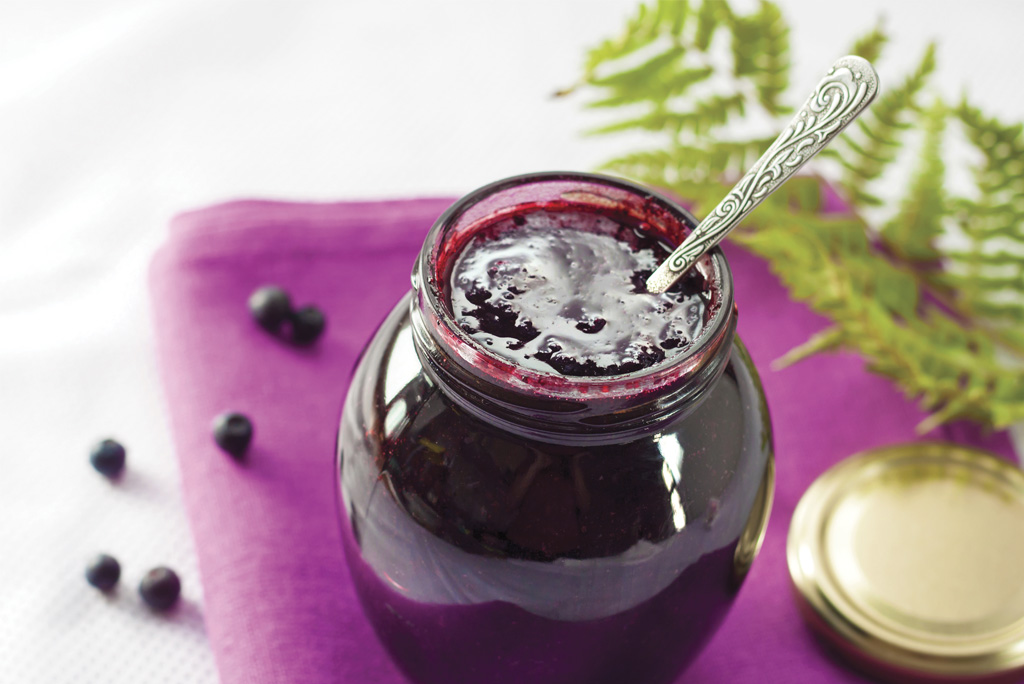
While every picker no doubt has his or her secret spot, look for berry patches with access to full or partial sunlight, particularly near old burn areas, abandoned logging roads, and open canopies where the bushes thrive on forest floors. The Sawtooth National Forest is home to prime patches in the Ketchum area. Exploring trails near your backyard can always lead to a welcome surprise. You’ll likely smell the sweet aroma before you even spot them!
Sweet and Sacred
Foraging and eating off the land are deeply rooted in the history of Indigenous people dating back generations. Huckleberries are designated as a First Food, a term used to delineate a culturally, spiritually, and ecologically significant food in Indigenous America. This designation drives conservation and habitat restoration efforts to ensure ancestral patches are maintained.
The berries were a key part of nutrition and medicinal use in Indigenous cultures, thanks to their antioxidants, high iron, and vitamin C and potassium. Crops were managed after harvest using a burning ceremony to kill off unwanted weeds and encourage patches to thrive, restoring nutrients to the soil.
“Fires release the nutrients stored in trees and brush,” says Daniel Green, retired wildland firefighter who has been picking huckleberries in his home state for 70 years. “Post-fire nutrients found in the ash are then readily available to plants.”
Green says that for a good crop year, he looks for adequate snow cover to protect the budding from starting prematurely. Climate change continues to alter Mountain West weather patterns. One study published in the scientific journal Elsevier predicted huckleberry bush flowering to shift more than a month earlier. The shift puts a higher risk of unanticipated frosts killing buds before the fruit and drastically changes the availability of the fruit in certain areas, and the ecosystem that relies on them for food.
“Huckleberries need adequate summer thunderstorms to maintain good soil moisture, which determines the berry size, as well as hot enough temperatures to ripen them before the fall frosts,” Green says. “If it’s too hot, however, it will shorten the picking season.”
The finicky weather, unique growing conditions, and long life to maturity (nearly 15 years) all make huckleberry bushes incredibly difficult to grow commercially. The roots are also rhizomatous, meaning they grow horizontally to better seek out and store nutrients to protect themselves from harsh conditions. While some have been successful at growing huckleberries, it’s a daunting task. Hiking long distances to seek out the tasty treats and spending hours picking one by one is much more fun.
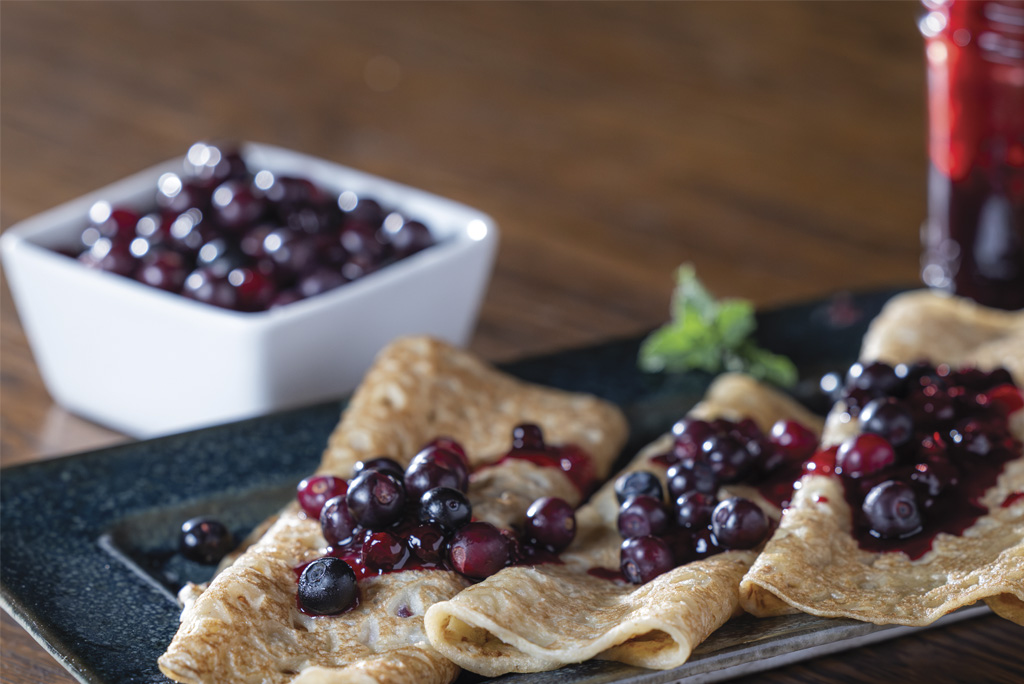
“Huckleberries provide an organic view on what nature can bring,” Witkin Write says. “You can pick something off a plant that grows wild and is dependent on so much. Each season, we consider if there are fires, if we are worried about the snowpack affecting the huckleberries and then affecting the summer harvest—everything is tied together.”
Reaping the Benefits
Huckleberries are often compared to blueberries, but their flavor profile is more between a blueberry and a cranberry, with a tart and sweet kick depending on when they are harvested that nicely complements just about any sweet treat, cocktail, and even savory dish.
Adding to the allure and lore of Idaho’s huckleberries is no doubt the effort to pick each berry. These tiny but mighty berries are picked one at a time straight off the plant. Filling a pint takes effort. A gallon? That’s real commitment.
The shining star of huckleberry pairing may be swirled inside a milkshake. From Teton Valley’s famed Emporium to Smiley Creek’s legendary Smiley Creek Lodge, huckleberry milkshakes are a go-to order no matter the season—and yes, even winter. Mountain High Creamery in Ketchum serves up an Idaho Mountain Twist with van
illa and huckleberry soft serve or go straight huckleberry.
Don’t Stop at Ice Cream
“I always love making small-batch jam,” Witkin Write says. “I keep a few gallons of frozen huckleberries in my freezer to use for cobblers, scones, pancakes, and even in cottage cheese. They are versatile and have such a big flavor profile.”
The Kneadery pancakes topped with a huckleberry compote is a must—berries and breakfast go hand in hand. Beyond breakfast, think cocktails with muddled berries or vodka infused with the fruit. The Sawtooth Club’s Idaho Lemonade uses Blue Ice Idaho-made huckleberry vodka, and the Bald Mountain Bramble is topped with fresh berries. For savory fans, huckleberries can be reduced to a thick, sweet reduction that’s perfect for elk or venison or turned into a tangy vinaigrette to top seasonal greens. The Ketchum Grill serves up grilled duck breast topped with a huckleberry port wine reduction.
Whether you’re savoring them at a local restaurant, piled high on an ice cream cone, or munching straight from the bush, huckleberries and Idaho go hand in hand—and if you’re doing it right, you’ll probably leave with purple-stained fingers.
HUCKLEBERRY BALSAMIC GLAZE
- ½ cup balsamic vinegar
- ¼ cup huckleberries (fresh or frozen)
- 1–2 teaspoons sweetener (honey or sugar if needed for balance) optional
- Pinch of salt and pepper
Reduce Vinegar: Add the balsamic vinegar to a small saucepan over medium heat.
Add Berries: Add the huckleberries and simmer, stirring occasionally, until the berries burst and the mixture reduces to about 2 tablespoons of syrup, taking roughly 5–8 minutes.
Finish: Remove from heat and, if desired, lightly mash the berries for a smoother sauce or strain them out for a glossy finish.
Cool: Let the glaze cool slightly before serving; it will thicken further as it cools.
Best Used For
- Drizzling over vanilla ice cream or cheesecake
- Pairing with grilled pork, chicken, or venison
- Tossing with roasted vegetables (like Brussels sprouts)
HUCKLEBERRY FREEZER JAM
My recipe box is filled with go-to recipes to celebrate the berry harvest from curds and tarts to delicious scones and muffins, but there is nothing quite as versatile (and simple!) as a tried-and-true freezer jam.
If you don’t eat it up right away, it can store in the freezer for a year or when you start to miss the summer goodness. While jam might not sound all that exciting, this recipe shines with what comes next. I add a spoonful of jam to a the bottom of a cocktail glass for a muddled huckleberry gin and soda. It’s the perfect surprise layered alongside buttercream in a fruit-forward chocolate cake or top lemon cinnamon rolls with a scoop.
- 2 cups huckleberries
- Juice of one lemon
- 1 cup of sugar (adjust to taste for sweeter or tarter jam)
Rinse and clean two cups of huckleberries, ensuring no stray leaves or uninvited guests made their way home from the berry patch. For a smooth finish, pulse your berries in a blender to desired consistency. Place your berries in a sauce pot with sugar and lemon juice. For a sweeter jam, increase sugar by half a cup. Stir frequently over medium-high heat until the mixture comes to a rolling boil. Tip: Once you add in the ingredients, give it a mix and quick taste to see how tart or sweet your jam is. Adjust as needed. Reduce heat and continue to stir – don’t stop stirring or it could burn and stick! – for about 10 more minutes or until the jam thickens. Remove from heat and let cool. Fill in jars with about half an inch of space at the top if freezing. Spread, scoop, and savor your summer treat!
– Kate Hull