


As soon as those fall mornings turn crisp or one snowflake falls, palates shift. The grills are tucked away, we bid adieu to farmers’ markets, fresh-off-the-vine tomatoes and berries, and the crockpots get their moment to shine. Casserole dishes, pie plates, and soup pots are the stars of the show. Winter evokes coziness from the attire to the ambiance, and what we serve up on our dinner plates is no exception. Come February, however, comfort food can start to feel a bit uncomfortable, even a little heavy.
This season, add a little lightness by way of nutrient-dense ingredients, cooking styles, and unique ingredients to keep these comforting favorites a hit for all, all winter long.
Lighten Up the Season
When it comes to winter cuisine, tucking into warm bowls of soups and chilis or serving up a cheese pasta or perfectly layered lasagna comes immediately to mind. For some, cold weather cooking may mean breaking out tried-and-true family recipes like your grandma’s chicken pot pie or chicken and dumplings. Often, we save certain recipes like chili for the first stormy night in October and mashed potatoes may make their first appearance at Thanksgiving. In my household, we’re leaning into chili bakes with biscuits, creamy zuppa Toscana soup, and mac and cheese galore. But ideally, we’re making substitutions when we can to lighten things up.
When cooking for my kids and myself, sometimes the heavy cream that the recipe calls for just isn’t the best choice. While it serves its purpose, coconut milk can replace heavy cream in most every soup, stew, or sauce. Though it’s not always a perfect substitute, it works very well in savory soups and curries as well as chocolate treats, puddings and baked goods because of its silky texture.
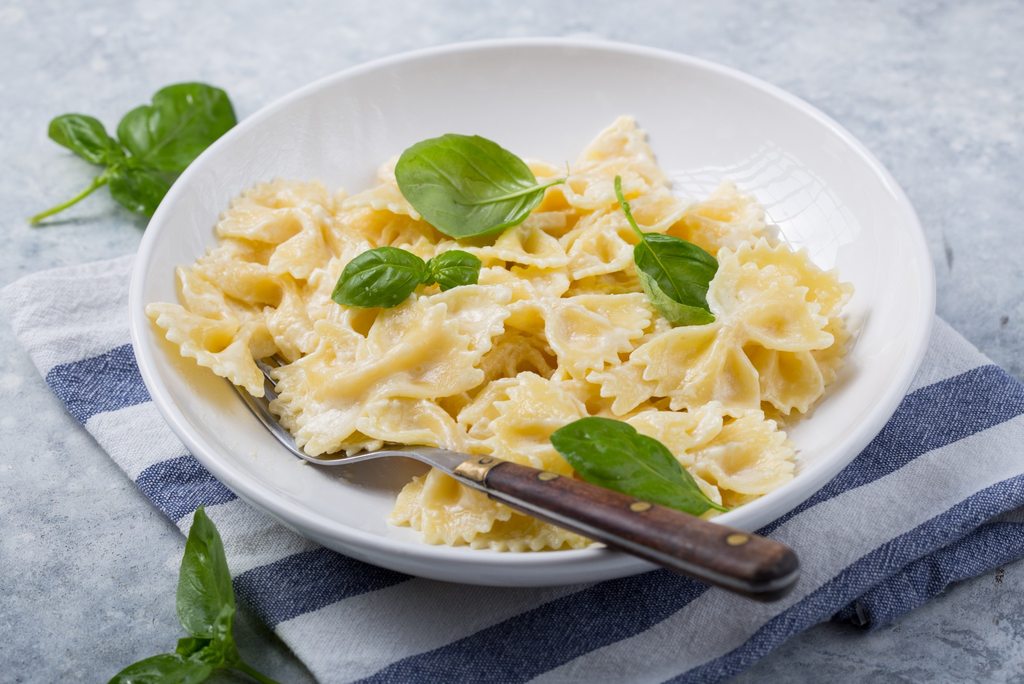
Miso pasta
Another great substitute for your heavy cream or sour cream is Greek yogurt. By doing this you not only lower your calorie count but also add extra protein and healthy probiotics. Try this swap in soups, chilis and sauces.
To keep your carbohydrate count in check, you can also use cauliflower rice instead of or combined with regular rice. The consistency is nearly identical and the flavor profile is mild enough to use in any recipe that calls for rice.
And for the butter? Best swap for cooking is olive oil and your best swaps for spreading are hummus or mashed avocado. When you’re baking up holiday treats, try applesauce, pumpkin puree, or mashed banana. These trades will drastically cut calories while still adding moisture and flavor.
My go-to question is: How can I make this dish more nourishing? Cheese, cream, and butter are welcome in my kitchen, but we’re also open to moderation or a new take. Will the flavor profile work with coconut milk instead? What about nutritional yeast instead of cheese? Though this isn’t a 1:1 substitute for all cheeses, yeast can work especially well as a topping for popcorn, pastas, roasted vegetables, and it blends smoothly in a liquid-based cheese sauce with other thickeners or nuts.
We teach our 5-year-old that no food is “bad,” some just help our bodies more. When the heavy mac and cheese feels a little too much, we try to practice what we preach.
While we need the energy from fats, our bodies also crave protein, vitamins, and fiber.
Julie Johnson, owner of Ketchum’s NourishMe since 2010 and nutritional therapy practitioner, is a deep believer in eating “within the seasons,” and expanding your palate with a wide breadth of different foods.
“What is the point of eating if not for sustenance?” she says. “Eating is breaking bread with others, hopefully in a supportive family environment, and eating should be fun, satisfying, and taste really good.”
 Her expertise is in digestion; an area upon which she has focused her practice over the years. At NourishMe, she supplies the Wood River Valley with wholesome, local food, as well as supplements and wellness goods.
“My business is set up as a ‘show and tell’ about all stages of food and nutrition,” Johnson says. “Can’t figure out what to make for dinner tonight? We have prepared meals to go. We also sell everything we make in our kitchen, so you can go home and make it yourself. You can also meet many of the farmers, ranchers, and gardeners who grow the food.”
Pack in Nutrients
While peak growing season has come and gone, we can still lean into local foods even in the dead of winter. If you can thoughtfully store root vegetables at the end of fall, they will no doubt last all winter.
“Potatoes, carrots, beets, squash, garlic, and onions from your favorite farmer can be stored in a dark, cool, clean cupboard,” Johnson says. “Keep your bins clean and organized for ease and speed.”
If meal prepping is your go-to, roast a variety of root vegetables each week to then blend into a sauce, chop and throw into a stew, or bring color and richness to chili.
And gone are the days of little to no access to hearty greens. “Winter greens are getting easier and more frequent with greenhouses and hoop houses,” Johnson says. “NourishMe gets restocked every week with these small organic growers.”
A handful of chopped kale and spinach adds color and an earthy, savory bite to any casserole, stew, or soup.
“Sunday chili that has simmered in the crockpot all day is a favorite in our household,” says Johnson, but while my Texans might wince at this addition, beans (not beef) are the stars of my chili. Perfectly seasoned ground turkey and a trio of black, kidney, and white beans up the plant protein and fiber content, leaving hungry bellies full and satisfied.
One of Johnson’s go-to tricks is to spend a day once a month making homemade bone broth that is then stored in one-quart frozen containers. Using bone broth (instead of store-bought broths) adds collagen-driven protein and amino acids, among other nutrients, giving a healthier nutritional foundation to any broth-based recipe, not to mention a much deeper flavor profile.
Keep It Simple
Part of the joy of comfort food is the preparation and consistency. It’s meant to be simple, nostalgic, and is a go-to for a reason. I know my homemade chicken pot pie is a hit—adding butternut squash and sweet potato makes it even better. Chicken noodle soup is a win no matter the reason, but rich bone broth kicks up the health properties and helps with winter colds. Craving lasagna? Go for it—but don’t forget to add chopped spinach, zucchini, and fresh herbs.
Simple Tips to Lighten Comfort Cuisine
Swap For Dairy-Free: When the flavor profile allows, full-fat coconut milk is a great alternative to heavy cream.
Add A Plant Protein: Add beans, beets, roasted parsnips, and more for extra protein and a health-forward hearty meal.
Find Local Greens: Stop by NourishMe, Village Market, Atkinsons’ Markets and more to find greens grown even during winter months.
Plan Ahead: Whether storing fall vegetables and fruits, freezing homemade pesto and pasta sauces, or making bone broths, a little prep work can elevate any dish throughout the season.
Recipe: Miso Pasta
Adapted from Andrew Purcell for The New York Times
Ingredients
Salt
Your noodle of choice. We love bowtie pasta.
4 to 6 tablespoons butter
3 tablespoons white miso
4 ounces Parmesan, finely grated
Steps
Boil pasta in salted water, saving one cup or so of pasta water. In a sauce pot, add miso, butter, and pasta water. Stir until combined over low heat. Add in Parmesan. The original recipe says to whisk the ingredients until oblivion … or until a creamy sauce forms, but I have never had luck with this. Instead, I whip out my immersion blender and blend everything until perfectly creamy.
The miso paste adds in antioxidants and is said to help with gut and brain health. This delicious pasta dish also provides a delicious, savory cheesy flavor while using quite a bit less cheese. I add in sautéed kale, spinach, or peas for extra veggies or top with a protein like blackened salmon, shrimp, or chicken. The result? Full, happy, nourished bellies.