


Summer has blossomed, and with it the valley’s favorite dishes and drinks are back on the menu. There’s no prettier plate than one topped with a bouquet. And while we wouldn’t suggest lunching on lupine or meal-prepping with larkspur, there are plenty of flowers that are just as delicious as they are beautiful.
There are five common edible flowers that we see in our day-to-day dishes: nasturtiums, pansies, squash blossoms, roses and lavender. Each adds its own flare of nuance and flavor, bringing not just decoration but unexpected complexity to a meal.
Pansies offer a soft, grassy flavor along with an appealing pop of color. “They’re one of the most accessible and readily available because they grow like a weed,” explains Courtney Barnard, owner of catering company and event venue Salted Sprig. Thanks to their vibrant petals and mild flavor, they tend to be decoration-oriented and are easy to grow at home. They look beautiful frozen in an ice cube or scattered across a salad.
That same visual appeal draws bakers to pansies as well. Rebecca Bloom, owner and head baker of the Hailey-based bakery Piedaho, says she incorporates pansies into her pies by pressing them into crusts or using the bright petals to top cream pies in the summer. While baking them into the crust can leave a delicate imprint, placing them on top is where their color truly stands out against the finished dessert.

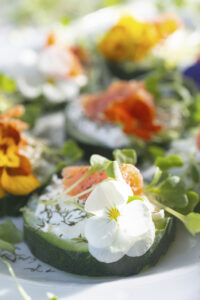
On the savory side, nasturtiums offer a bright, peppery bite like arugula, adding an added kick to these dishes. However, unlike pansies, they can be more difficult for Idaho chefs to access due to their growing patterns and price of import. “A lot of the most expensive floral is edible floral, so if chefs are going to incorporate them it’s often for a client request,” Barnard explains. Both the leaves and flowers are edible, and chefs often use them to add a fresh, slightly spicy note to everything from grain bowls to open-faced sandwiches.
Squash blossoms have a light, slightly sweet vegetal taste and are one of the few edible flowers that serve as a central ingredient rather than just a garnish. “They’re really delicate, but they add an airy, almost puffed rice quality to meals,” says Barnard, noting that they can even be used similarly to cabbage leaves as a wrapper for fillings rather than just appearing as a starter.
Leaning sweeter, roses bring a gentle, floral taste as delicate as their petals and often appear in syrups, jams, and desserts. Bloom uses rose petals and other Idaho wildflowers in her edible flower sprinkles, which have been used to top pastries like her Raspberry Rose Crumble Pie — a Valentine’s Day special.
 At Salted Sprig, rose also shows up on the cocktail menu, especially in the summer when it pairs beautifully with fresh ingredients like cucumber and clear spirits.
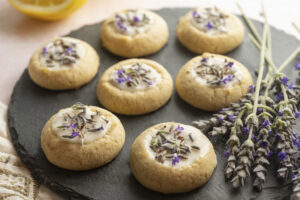
For Barnard, lavender is one of the most versatile and affordable edible flowers she works with. Best known for its fragrant, floral aroma, it brings that same perfumed note to foods and drinks, from baked goods and honey to cocktails. Barnard uses lavender in homemade salts for flavor and color, plus in syrups and as garnishes in Salted Sprig drinks. “Floral is way easier to incorporate behind the bar because while it adds sort of an effervescence, it doesn’t usually have a predominant flavor profile,” she explains.
This bouquet of edible accoutrements doesn’t just serve for taste and texture; they’re also blossoming with nutritional benefits. Nasturtiums and rose petals are rich in vitamin C, and pansies contain vitamin A compounds. Flowers with bright petals, often deep purples or reds, often hold anthocyanins, which act as antioxidants.
 Historically, edible flowers have also been used for their medicinal properties, which we can now see in the average self-help package. A calming lavender tea can reduce stress and anxiety and improve sleep quality. Rose petals used in teas offer digestive relief, and elderflower infusions can be used for colds and flus. A meal with these blooms can literally ease stress in the body, so it’s not just the joy of a beautiful bite that makes you sigh in relief.
Edible flowers appear throughout the Sun Valley food scene, with restaurants like Rasberrys and NourishMe using them to add both flavor and visual appeal to dishes. Some blooms come from local growers, including Squash Blossom Farm. Barnard even recalls topping a wedding cake with pansies and marigolds sourced from
a home garden.
Bright pansies, peppery nasturtiums, and delicate squash blossoms might look like decoration, but they’re meant to be tasted. “A lot of people dining don’t know that they can eat flowers and remove them from their plate,” Barnard says. But in the kitchen, those petals are the final touch, adding color, flavor, and a reminder that sometimes the most beautiful ingredient on the plate is also the most unexpected.
STUFFED SQUASH BLOSSOMS
Yield: 6–8 blossoms. Prep Time: 15 min. Cook Time: 10 min.
Ingredients:
- 6–8 fresh squash blossoms
- ½ cup ricotta or soft goat cheese
- 1 tablespoon finely chopped fresh herbs (chives, basil,
or parsley) - Salt and pepper, to taste
- 1 egg, lightly beaten
- ½ cup all-purpose flour
- ½ cup sparkling water (cold)
- Vegetable oil, for frying
Instructions:
Gently open the blossoms and remove the stamens/pistils.In a small bowl, mix ricotta, herbs, salt, and pepper. Spoon the mixture into each blossom, twisting the top gently to close. Make a light batter by whisking together flour, egg, and sparkling water until smooth. Heat ½ inch of oil in a skillet over medium heat. Dip each stuffed blossom in batter, then fry until golden and crisp (about 2–3 minutes per side). Drain on paper towels and serve warm, plain or with a squeeze of lemon. Serving tip: Great as an appetizer, on salads, or atop a fresh grain bowl.